Pages

Showing posts with label Health. Show all posts

Tuesday, August 2, 2011

Low-carb, high-fat diets add no arterial health risks to obese

Good news, I would say:
Low-carb dieters showed no harmful vascular changes but also on average dropped 10 pounds in 45 days, compared to an equal number of study participants randomly assigned to a low-fat diet. The low-fat group, whose diets consisted of no more than 30 percent from fat and 55 percent from carbs, took on average 70 days, nearly a month longer, to lose the same amount of weight. [...]
However, Stewart does contend that an overemphasis on low-fat diets has likely contributed to the obesity epidemic in the United States by encouraging an overconsumption of foods high in carbohydrates. He says that high-carb foods are, in general, less filling and that people tend to get carried away with how much low-fat food they can eat. More than half of American adults are estimated to be overweight, with a body mass index of 26 or higher; a third are considered to be obese, with a BMI of 30 or higher. 
Full article here.

Plantarian health NewYearHealth Challenge

Plantarian Healthy Double One Diet Challenge:
A 11 day challenge to eat more healthily and sustainably starting  on 1:11:11 www.1worldday.org    
 
New World Record attempt for health and sustainability at www.1worldday.org

ONE WORLD DAY - A Day of Health & Sustainability

ONE WORLD DAY - November 1st Make a Difference!: Help make a difference to the world by encouraging people to eat more healthily and sustainably. Start now, change lives, don't keep it to yourself.

One World Day  - Plantarian - The road to sustainability and health

 Plantarians have taken the healthiest and most sustainable bits of vegetarian and veganism to clear a simple pathway through the jungle to a lifestyle of optimum health and sustainability. 'Harmony and Harmlessness' says 1worldday.org

Men's Health Products

I use vitamins and other food supplements daily and I recommend some special products specially for Men.

Prevent or cure prostate problems

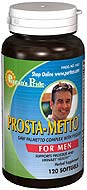
The high-quality PROSTA-METTO formula is an excellent choice for men who are interested in supporting their prostate and urinary health. This supplement contains our Saw Palmetto Complex Blend, which includes 80 mg of Saw Palmetto Extract, the leading herb for men'’s health, especially in later years. Saw Palmetto contains phytochemicals, which support prostate and urinary health in men. It also contains 10 mg Pygeum Africanum Extract for prostate support, 5 mg Uva-Ursi for fluid balance, and 40 mg Pumpkin Seed Oil Extract. Men can take one softgel four times daily.


The Ultra Man™ 75 is specially tailored to meet the nutritional requirements of men everywhere. It contains important vitamins that contribute to immune, cardiovascular and nervous system health, as well as healthy bones and teeth. The B vitamins in this formula support energy metabolism, and antioxidant vitamins like Vitamins C, Beta-Carotene and Alpha Lipoic Acid fight cell damaging free radicals. The essential mineral Zinc is included to help promote male reproductive health and Lutein is added for eye health. Additional factors traditionally considered beneficial to men include Lycopene, Saw Palmetto, Vitamin E and amino acids.


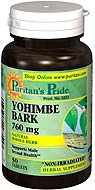
Yohimbe is for Man's Sexual Health instead of Viagra. I don't recommend to take Viagra or other drugs for your sexual health but the choice is up to you.

Discover the exotic flavor of the African jungle with Yohimbe Bark. Derived from an African evergreen tree, Yohimbe was used by warriors preparing for battle and young males as part of their marriage ritual. The sensual properties of this mystical extract stimulate the animal prowess in every man. Yohimbe Bark is perfect for those long romantic nights of passion.

Heart Health in Vegans and Vegetarians

Further evidence to follow a Plantarian rather than a Vegetarian or Vegan diet for health reasons is found in a review in the Journal of Agricultural and Food Chemistry  Jan 2011 *
The  review summarizes the effect of a habitual vegetarian diet on clinical complications in relation to chemistry and biochemistry. Omnivores have a significantly higher cluster of cardiovascular risk factors compared with vegetarians, including increased body mass index, waist to hip ratio, blood pressure, plasma total cholesterol (TC)  triacylglycerol and LDL-C levels, serum lipoprotein(a) concentration, plasma factor VII activity, ratios of TC/HDL-C, LDL-C/HDL-C and TAG/HDL-C, and serum ferritin levels. 

However in the review, compared with omnivores, vegetarians, especially vegans, have lower serum vitamin B(12) concentration and n-3 polyunsaturated fatty acid (PUFA) levels in the tissue membrane phospholipids, which are associated with increased collagen and ADP stimulated ex vivo whole blood platelet aggregation, plasma 11-dehydrothromboxane B(2), and homocysteine levels and decreased plasma HDL-C. 
Increased homocysteine and imbalances in HDL / LDL and omega 6 and 3 levels are factors in meat eaters that are associated with an increased thrombotic and atherosclerotic risk.

The author suggested that vegetarians, especially vegans, should increase their dietary n-3 PUFA and vitamin B(12) intakes.

Leading UK Nutritionist Yvonne Bishop-Weston from Foods for Life Health and Nutrition Consultancy says  "This review will bolster the argument that vegetarian and vegan diets don't grant you automatic immunity from heart disease. Some would deem it pedantic, but to get the full health benefits of vegetarian and veganism one needs to follow a predominantly Plantarian diet based on natural, wholefood plant based principles rich in a natural synergy of vitamins, minerals, anti-oxidants, fibre and essential fats."

"With recent increased availability of vegan sources of omega 3 fats in echium oil and algae there is no need for vegans, vegetarians and plantarians to miss out on high levels of essential fats and these plant based fats have the advantage of avoiding the complications of toxicity, un-sustainability and undesirable saturated fats in fish oil. Chorella is a potential source of vitamin B12 for vegans" she adds.


* Chemistry behind Vegetarianism. Li D Department of Food Science and Nutrition, Zhejiang University, China

Great Article in Men's Health Magazine About Pollution and Our Health


I know this may seem a little strange (being a woman and all), but one of my favorite magazines to read is Men's Health. The reason I love this magazine has nothing to do with the tips from "The Girl Next Door", or the info found in their "Tech Guide". No, the real reason I really enjoy this magazine is (the pictures of the hot guys....) the great articles by their writers.

This past month, their very talented writer Melody Petersen, composed a fantastic article about the health hazards of the various pollutants in our in environment. In this article, she visits an Indian Reserve in southern Ontario, Canada and exposes how two large industrial chemical plants have changed the lives of the residents living in that area. Although she focuses on how these chemicals are reducing the number of males being born, it also shares how these chemicals are influencing their pets and wildlife.

For example, check out this one passage:

"SHARREN FISHER IS FIGHTING her way through the thigh-high brush on a warm July afternoon, taking me to the water-filled ditch where Stella, her dog, would often stop for a drink. Fisher, a member of the tribe, says she's seen what looks like oil in the water. It's impossible to see where the water in the ditch comes from in the tangle of cattails and tall grass, but Fisher believes it drains from two industrial plants that are a quarter of a mile from her house, so close you can hear the roar of machinery.

"I used to take the dogs to the creek all the time," she says. But then Stella, a terrier-poodle mix, gave birth to three deformed pups. One stillborn pup, Fisher says, had no muzzle or fur. It also had webbed feet. That was in 2005, she says; Stella hasn't had any puppies since.

"We lost our ducks and geese," she says. "I couldn't keep them out of the water."

Her two ponies have had three stillborn foals. "We've never had a live baby from them," she says."

Disturbing? Isn't it?

To read more about what Melody has uncovered, visit the article online here. After reading it, you'll start to wonder just how companies are allowed to contribute this type of pollution to our world and how it influences the health of our children.

Monday, August 1, 2011

A Diet for Healthier Humans: SACN Iron and Health Report | SACN

A Diet for Healthier Humans: SACN Iron and Health Report | SACN:

The widely leaked report is finally published. No more than the equivalent of one lamb chop or a bacon butty or a big mac each day if you want any chance of staying healthy.

Yvonne Bishop-Weston Nutritionist London says
"The government seems to be suggesting we should be Plantarian for at least 2 meals a day. Research confirms benefits to health really start to kick in at least 8 portions of fruit and veg a day.

There is still no safe limit for meat consumption set. This advice is just setting maximum advisory levels the inference is that less is best.

I find it quite ironic that this is advice on iron levels yet in clinic it's frequently meat eaters I find with inadequate iron levels not vegetarians"

The evidence seems to be mounting against meat as a useful part of a nutritious diet in modern society.

Sunday, July 31, 2011

The Health Dangers of Genetically Modified Foods


Playlist continued here.

Is That Prescription Really What You Need For Good Health?

It's hard to say no more, if your doctor has prescribed the most effective drug for your condition if you also need medication, or if he or she is prescribing a pill because of an expected kick-backs. And if so, will help the pill, or kill, perhaps?

Consumers do not want to believe that their doctors prescribe medications based on kick-backs and goodies they receive from pharmaceutical companies, but most have long known that it was true.

Together with cash bonuses and benefits such as small lunch delivered to the office, free samples, etc. high-producing medical conferences are invited to high-end places, where they are treated like a king. Together with all expenses-paid trips, they receive such benefits as free golf, massages and fine meals.

As we do not understand before was that it was illegal, but the pharmaceutical company believes that the payment of fines for this conduct as a "cost of doing business." Even during the investigation and negotiation of fines for the unlawful conduct by pharmaceutical companies have continued to investigate the practice is not currently using drugs.

The current 2.3 billion U.S. dollars fine for the Pharmaceutical Manufacturers Pfitzer Inc., is apparently the result of taking this marketing year just a little too far. As well as promoting illegal doctors prescribe drugs for their intended use, Pfitzer started promoting their pills for uses that have not been addressed, approved by the FDA, in cans, not had, as have been safe. For example,

, was approved the drug Bextra for arthritis, but it proved Pfizer Seller encouraged physicians in acute pain, and operations. In addition, encouraged to doses that were above the permitted maximum. Then, in 2005 the drug was pulled from the market to show that it increases the risk of heart attack, stroke and death.

The idea that medical drugs are based on claims by requiring sellers - even without reading the reports and studies and determining their proper use and safety - is appalling.

Consumer advocates had hoped that bringing the size of the punishment these dangerous and illegal practices to a halt. But somehow the fact that Pfizer does currently negotiating to buy Wyeth for 68 billion U.S. dollars is their 2.3 billion U.S. dollars fine, seems like a more insignificant "cost of doing business."

My question is: "Why were not confronted the doctors who prescribed the monetary benefits and accepted bribes - and drugs - with fines and /or public shame?"

The bottom line for all consumers should be this: Do your own research. Before you take medication, read all the materials contained in the package, then go online to see what else you can find them. What are you in your body affects your health and well-, so you need to take responsibility for it.


M. G. Cliff is a freelance copywriter with a strong interest in natural health. She enjoys writing for a variety of companies who promote health and well-being through safe, natural products and practices. Marte's natural health site, http://www.pharmfreehealth.com, presents natural alternatives to pharmaceuticals, health warnings, news about health-giving foods, and more.

Readers are invited to visit the blog at http://www.pharmfreehealth.com/wordpress add their comments, experiences, and natural health advice on the blog posts.

Article Source: http://EzineArticles.com/?expert=M._G._Cliff

8 Surprising Health Benefits of Sex


Yes, sex can lead to pregnancy but there are other benefits you'll be happy to learn about. In the following article from Woman's Day magazine by Sarah Jio, Dr Desmond Ebanks explains more reasons for you to get intimate tonight with your loved one.


8 Surprising Health Benefits of Sex
Find out how getting intimate can improve your well-being

By Sarah Jio Posted January 04, 2010 from WomansDay.com

Of course sex is healthy, but did you know that a good sex life can provide specific health benefits? We spoke to the experts to find out just how sex improves our health (not that you needed any convincing).

1. It May Make You Thinner
Dread working out? Don’t break up with your treadmill just yet. But if it’s late and you haven’t made it to the gym, don’t forget that sex counts as exercise, too! “Sex burns between 75 and 150 calories per half-hour,” says Desmond Ebanks, MD, founder and medical director of Alternity Healthcare in West Hartford, Connecticut. It’s comparable to other physical activities, he says, like yoga (114 calories per half-hour), dancing (129 calories per half-hour) or walking (153 calories per half-hour).
Bonus: Sex may also help your muscles stay lean in the process. “Sexual arousal and orgasm releases the hormone testosterone, which, among other things, is necessary to build and maintain bone and lean muscle tissue,” he adds.

2. It May Improve Your Heart Health
You’re probably already aware that heart disease is the number-one killer of women. Eating a healthy diet, and keeping your cholesterol low and sodium in check are great ways to stay on top of heart health, but so is having sex. “Sex is exercise that raises heart rate and blood flow,” says Dr. Ebanks. “In a study published in the Journal of Epidemiology and Community Health, researchers found that having sex twice or more a week reduced the risk of fatal heart attack by half.” While the study results were focused on men, Dr. Ebanks suspects similar effects for women, too.

3. It Can Help You Get a Better Night’s Sleep
What do you do to help you sleep? When chamomile tea and other remedies aren’t doing the job, sex may help—especially if you’re having trouble sleeping due to anxiety or stress. “People having frequent sex often report that they handle stress better,” notes Dr. Ebanks. “The profound relaxation that typically follows orgasm for women and ejaculation or orgasm for men may be one of the few times people actually allow themselves to completely relax. Many indicate that they sleep more deeply and restfully after satisfying lovemaking.”

4. It Can Boost Your Immune System
With all the concerns about cold and flu viruses, combating germs can sometimes feel like a full-time job. Surprisingly, there may be something you can do in the bedroom to keep your immune system strong, says Dr. Ebanks, who points to a study by researchers at Wilkes University in Pennsylvania. “Individuals who have sex once or twice a week show 30 percent higher levels of an antibody called immunoglobulin A, which is known to boost the immune system,” he says. So, make this your new cold-and-flu season mantra: Wash your hands and make a bedroom date with your sweetie—often!

5. It Can Improve Your Mental Health
The quickest way to boost your mood, fight depression and beat anxiety? Patricia Tan, MD, a board-certified internist in Arizona and medical expert for JustAnswer.com, says the answer is simple: sex (in a loving, committed relationship, of course). “Psychologically, sex improves one’s mental health by building intimacy and reducing stress,” she says. “The stress reduction component lowers a person's cortisol level, thereby reducing the chances of increased blood pressure, hyperglycemia and increased acidity in the abdomen.”

6. It Can Help Relieve Pain
You might change “Not tonight, honey, I have a headache” to “Yes, tonight, honey, I have a headache,” or so says Dr. Ebanks, who believes there’s a real correlation between sex and pain management. “Through sexual arousal and orgasm the hormone oxytocin is secreted in your body, which in turn causes the release of endorphins,” he explains. “Because of these natural opiates, sex acts as a powerful analgesic.”

7. It Can Help You with Bladder Control
It may sound weird—the idea that sex can help you minimize incontinence—but it’s true, say experts. Sex therapists have long recommended that women do Kegel exercises (flexing the muscles in your pelvic floor) throughout the day, but also during sex. Why? Not only can the exercises help increase pleasure, they also strengthen the muscles associated with incontinence. You can do Kegels anywhere (including during intercourse), so don’t be shy! Gently flex and tighten your pelvic floor muscles in the same way you would to stop the flow of urine. Hold for three seconds, then release.

8. It May Give You Healthier Skin
Could sex make you more beautiful? It sounds far-fetched, but Eric Braverman, MD, founder of PATH Medical Center in New York City, says having sex releases a key compound in the body that is good for all kinds of things—including improving your complexion. During sex, your body produces a hormone called DHEA (dehydroepiandrosterone). “It can boost the immune system, give you healthier skin and even decrease depression,” he says. So much for the night cream!

Changes in Specific Dietary Factors May Have Big Impact on Long-Term Weight Gain - June 22, 2011 -2011 Releases - Press Releases - Harvard School of Public Health

Changes in Specific Dietary Factors May Have Big Impact on Long-Term Weight Gain - June 22, 2011 -2011 Releases - Press Releases - Harvard School of Public Health:

In a series of three separate studies looking at how changes in multiple dietary and other lifestyle factors relate to long-term weight gain, Harvard School of Public Health (HSPH) researchers found that modest changes in specific foods and beverages, physical activity, TV-watching, and sleep duration were strongly linked with long-term weight gain. Changes in diet, in particular, had the strongest associations with differences in weight gain.

London Nutritionist from Foods for Life Nutrition and Health Consultancy Yvonne Bishop-Weston said today
"It's marvelous to finally see another piece of solid research to add more scientific weight to what nutritionists have known for years but can't prove because we can't afford a double blind placebo trial of thousands of people and then subject it to meta analysis. We know because we see dramatic results in our clinics where others have failed. There needs to be more scientific study and solid research on preventative medicine to silence the whinging critics of the quackology obscessed Dr Do-Littles.

The status quo of over-simplistic rhetoric of calories in = calories out isn't even bio-chemically logical. Of course 100kcal of vegetables full of vitamins, minerals, fibre, protein, antioxidants and essential fats is going to have a different consequence on the body than 100kcal of doughnut or chips fried in partially hydrogenated trans fat. It's not rocket science, it's common sense - that's sadly something lacking in some of the high profile media vigilante nutritionist bashers.

The study appears in the June 23, 2011, issue of the New England Journal of Medicine. Read the study.

"For example, the foods associated with the greatest weight gain over the 20-year study period included potato chips (for each one increased daily serving, +1.69 lb more weight gain every 4 years), other potatoes (1.28 lb), sugar-sweetened beverages (1.00 lb), unprocessed meats (0.95 lb), and processed meats (0.93 lb). Of note, several foods associated with less weight gain when their consumption was actually increased, including vegetables (−0.22 lb), whole grains (−0.37 lb), fruits (−0.49 lb), nuts (−0.57 lb) and yogurt (−0.82 lb). Evaluating all changes in diet together, participants in the lower 20% of dietary changes gained nearly 4 lbs more each 4 years than those in the top 20% —an amount equivalent to the average weight gain in the population overall.

For diet, focusing only on total calories may not be the most useful way to consume fewer calories than one expends, say the researchers. Other yardsticks, such as content of total fat, energy density, or sugars, could also be misleading. Rather, they found that eating more healthful foods and beverages—focusing on overall dietary quality—was most important.

The most useful dietary metrics for preventing long-term weight gain appeared to be:

Focus on improving carbohydrate quality by eating less liquid sugars (e.g. soda) and other sweets, as well as fewer starches (e.g. potatoes) and refined grains (e.g. white bread, white rice, breakfast cereals low in fiber, other refined carbohydrates).
Focus on eating more minimally processed foods (e.g. fruits, vegetables, whole grains, nuts, yogurt) and fewer highly processed foods (e.g. white breads, processed meats, sugary beverages).
We look forward to more studies like this such as PCRM Research on Nutrition